



-
-
recycle sealed airABOUT DSLPACK
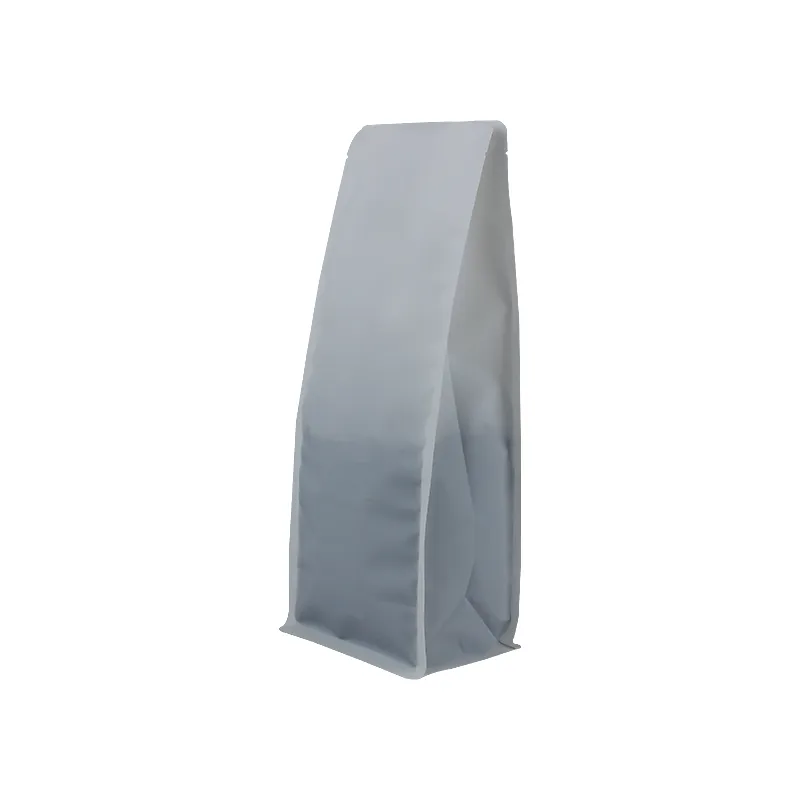
Recycled Packing Material That Actually Works On The Line If you work in packaging, you’ve heard the promises. But real change happens when recycled packing material solutions run on existing equipment, pass food-safety audits, and keep product fresh. That’s the bar—not just feel-good copy. In fact, the latest 100% Recyclable Stand Up Pouch from DSL Packaging is one of the few options I’ve seen that tries to balance barrier performance with credible end-of-life pathways, with an eye on EU and FDA compliance. What the market is actually buying right now E-commerce and grocery retail are steadily shifting to mono-material films (mostly PE or PP) to improve store-drop-off or curbside recovery. However—reality check—some multilayer structures remain in circulation for tricky products. DSL lists PET/PA/AL/PE(CPP) among its build options, but many customers say they prefer mono-PE variants for recyclability where programs exist. Policy pressure (think EPR in the EU) and retailer scorecards keep nudging brands in that direction. How it’s made: a quick process flow Materials: food-grade films (PE, PP, PET, PA; sometimes AL foil for legacy barrier needs). Methods: film extrusion, solvent-free lamination (increasingly common), digital or flexo printing, pouch forming with heat-seal closure. Testing: ASTM D882 (tensile), F88 (seal strength), D3985 (OTR), F1249 (WVTR). Service life: typically 12–24 months shelf life depending on barrier stack and product. Industries using this: snacks, coffee, nutraceuticals, pet food, dry mixes, and, surprisingly, some cosmetics refills. Product specs at a glance Parameter Spec (≈, real-world use may vary) Product Name 100% Recyclable Stand Up Pouch Structure Mono-PE or PP for recyclability; PET/PA/AL/PE(CPP) also available per brief Thickness 70–150 μm (typical) OTR (23°C, 0% RH) ≈ 0.5–8 cc/m²·day (barrier varies by stack) WVTR (38°C, 90% RH) ≈ 0.5–6 g/m²·day Seal Strength (ASTM F88) ≈ 6–12 N/15 mm Sealing Window 110–150°C (line and dwell dependent) Food Safety EU and FDA food-contact compliant (materials) Printing Up to 8–10 colors, matte or gloss Service Life 12–24 months sealed, product-dependent Origin No. 6 Hefu Road, Hengjiang Industrial Zone, Gaoming District, Foshan, Guangdong, China Where it’s used (and what buyers say) Common scenarios: nut mixes and granola (needs grease resistance), coffee (oxygen barrier, heat-seal reliability), pet treats (puncture resistance), and powdered supplements. Many customers say the pouches run cleanly on vertical form-fill-seal with minimal changeover—provided sealing bars are dialed in. To be honest, the biggest wins are reduced packaging SKUs and clearer recyclability messaging. Vendor comparison (field-notes style) Vendor Recyclable Design Food-Contact MOQ Lead Time Notes DSL Packaging Mono-PE/PP options; legacy multilayer available EU/FDA compliant materials Around 10k–20k units ≈ 3–5 weeks after artwork Solid seal performance, pragmatic engineering Generic Importer A Mixed; claims vary Docs sometimes incomplete Low, but fluctuates 2–8 weeks Price-led; vet carefully Local Converter B Strong on mono-material Clear traceability Higher 1–3 weeks Great for rush runs A quick case study A regional snack brand migrated from PET/AL/PE to a mono-PE pouch. After a brief sealing trial, they hit ASTM F88 seal strength ≈ 9 N/15 mm and maintained OTR ≈ 2 cc/m²·day, enough for a 9-month shelf-life target. Returns dropped (puncture issues reduced), and shoppers understood the recycled packing material message—sales lifted 3–5% in eco-focused stores. Small wins, but real. Compliance, labeling, and the fine print Food-contact compliance is anchored to EU 1935/2004 and FDA 21 CFR. For claims, lean on ISO 14021 guidance and local recycling rules. Because infrastructure varies, always validate the recycled packing material claim with your target market (store drop-off vs curbside). Testing to ASTM D3985/F1249 confirms barrier; D882 checks film strength; and a simple peel test on the line verifies seal integrity. It seems basic, but it’s the difference between theory and pallets that ship. Note: Specifications and recyclability depend on chosen structure and regional programs. Ask for mono-material data sheets and recent test reports. Citations EU Regulation 1935/2004 on materials intended to come into contact with food FDA 21 CFR Part 177 – Indirect Food Additives: Polymers ISO 14021 – Environmental labels and declarations — Self-declared environmental claims ASTM D3985 (OTR), F1249 (WVTR), D882 (Tensile), F88 (Seal strength) – Barrier and seal tests
-

-
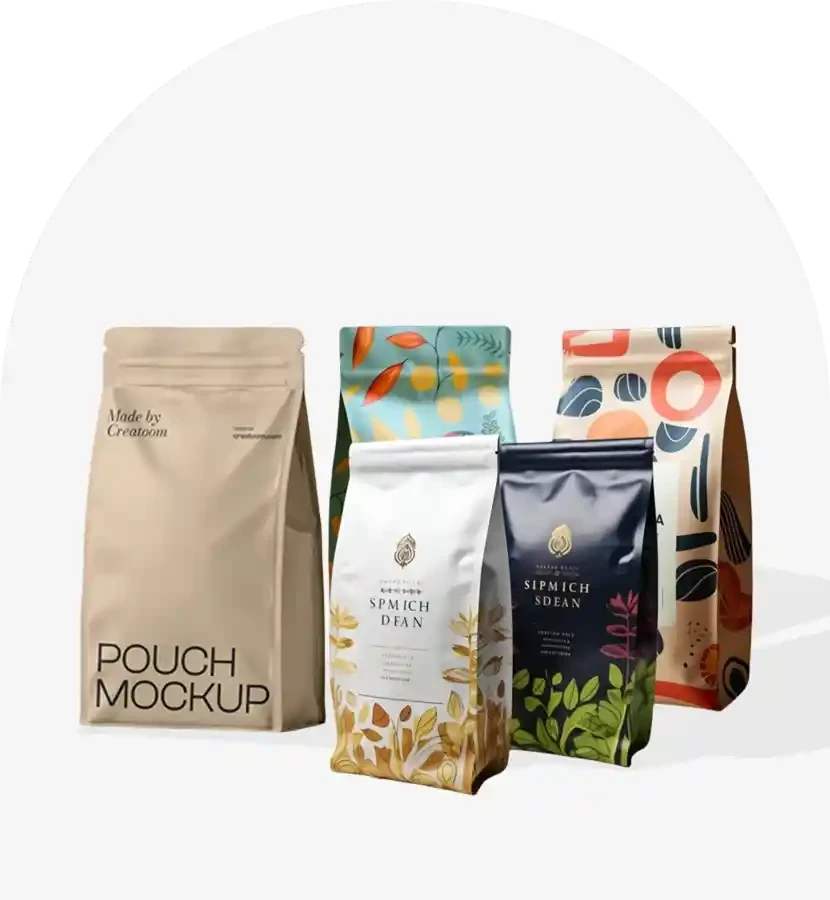 Clear Plastic Zipper Pouch for Organizing and Storing Small Items Efficiently2026-04-03 23:41The Versatility of Clear Plastic Zipper Pouches In today’s fast-paced world, organization is key. One simple yet effective solution that many people have turned to is the clear plastic zipper pouch. These handy little bags are not only practical but also incredibly versatile, making them a must-have in various settings. Whether you’re a student, a professional, or someone who just enjoys a clutter
 -
 card boxes2026-04-03 22:24The Versatile World of Card Boxes Unpacking Their Benefits and Applications In a world increasingly dominated by digital transactions and online shopping, it's easy to overlook the humble card box. Yet, these simple yet effective storage solutions play a vital role in various sectors, ranging from retail and e-commerce to arts and crafts. This article explores the versatility of card boxes, showca
 -
 clay desiccant2026-04-03 21:16The Importance of Clay Desiccant An Essential for Moisture Control In various industrial and consumer applications, maintaining optimal moisture levels is crucial. Excess humidity can lead to significant damage in products, equipment, and facilities. One effective solution for moisture control is the use of clay desiccants. This article explores what clay desiccants are, their benefits, and their
- No. 6 Hefu Road, Hengjiang Industrial Zone, Gaoming District, Foshan, Guangdong Province,China
- Tel: 86-133 3649 8096
- Email:enid@bc-pak.com
-


